Guides
Mold remediation equipment checklist for new owners
'mold remediation equipment checklist' connects customer access, operating capacity, staffing, and cash. The point is not to copy a national benchmark or another.
What to take away
- Manager, or experienced operator preparing to open or improve a business, "mold remediation equipment checklist" connects customer access, operating capacity, staffing, and cash.
- The point is not to copy a national benchmark or another operation's setup.
- The business needs a written model that fits its jurisdiction, customer and service mix, team, facility, and tolerance for risk.
- That model should be specific enough to test with real schedules and financial records.
- The useful outcome of "Mold remediation equipment checklist for new owners" is not a longer policy.
This article provides general mold-remediation business information, not individualized environmental assessment, sampling, medical, engineering, HVAC, asbestos, lead, sewage, licensing, employment, tax, insurance, contract, or legal advice. Project controls depend on the moisture source, affected materials, contamination, occupancy, building systems, jurisdiction, and worker competence, so use qualified local guidance.
For a mold remediation owner, manager, or experienced operator preparing to open or improve a business, "mold remediation equipment checklist" connects customer access, operating capacity, staffing, and cash. The point is not to copy a national benchmark or another operation's setup. The business needs a written model that fits its jurisdiction, customer and service mix, team, facility, and tolerance for risk. That model should be specific enough to test with real schedules and financial records.
Practical checklist
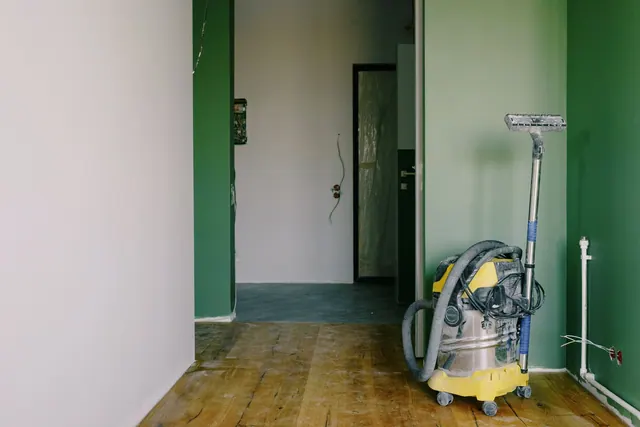
- List required capabilities: Start with accepted work and identify the measurement, access, handling, production, communication, safety, and documentation capability needed for each service.
- Separate owned, rented, and subcontracted capacity: Choose an access model using frequency, urgency, transport, training, maintenance, storage, financing, and downtime rather than purchase price alone.
- Specify compatibility and limits: Record capacity, dimensions, utilities, software, attachments, materials, environment, operator, and service limitations before purchase or assignment.
- Control inspection and readiness: Use opening, pre-use, return, cleaning, calibration where relevant, damage, and out-of-service checks tied to risk and manufacturer information.
- Track custody and condition: Record identity, location, assigned user, condition, accessories, documents, warranty, repair history, and return for material assets.
- Train authorized users: Define who may use, configure, transport, clean, repair, or approve each asset and how competence is demonstrated and renewed.
- Test before standardizing: Pilot representative work and compare accuracy, reliability, ergonomics, compatibility, support, parts, and user feedback before fleetwide adoption.
- Set repair and replacement rules: Use safety, quality, repair frequency, downtime, support, parts, efficiency, and total cost to decide whether to repair, retire, or replace. Use this material as a decision aid for mold remediation equipment checklist, not as a universal ranking or compliance shortcut. Confirm the local rule, the actual workflow, the full cost, and the person responsible before changing the business.
Evidence to check before acting
For mold remediation equipment checklist, U.S. Environmental Protection Agency: Mold Cleanup in Your Home supplies a checkable research point. EPA explains that project size, water source, HVAC involvement, health concerns, and material type affect who should perform mold cleanup and which professional guidance is appropriate.
For mold remediation equipment checklist, Occupational Safety and Health Administration: Safety Management supplies a checkable research point. OSHA recommends a proactive safety and health program that finds and fixes hazards before an injury, illness, or inspection exposes the problem.
For mold remediation equipment checklist, U.S. Environmental Protection Agency: Mold Cleanup supplies a checkable research point. EPA provides mold-cleanup and flood-cleanup resources and emphasizes moisture correction, safe work practices, appropriate professional experience, and different treatment for porous or contaminated materials.
Final review
The useful outcome of "Mold remediation equipment checklist for new owners" is not a longer policy. It is a team that can explain the decision, follow the workflow, find the evidence, and see when a review is due.
Common questions
What goes wrong with practical checklist?
Use this material as a decision aid for mold remediation equipment checklist, not as a universal ranking or compliance shortcut. Confirm the local rule, the actual workflow, the full cost, and the person responsible before changing the business.
What should this not be used for?
Use this material as a decision aid for mold remediation equipment checklist, not as a universal ranking or compliance shortcut. Confirm the local rule, the actual workflow, the full cost, and the person responsible before changing the business.
What is this article for?
It is a team that can explain the decision, follow the workflow, find the evidence, and see when a review is due.