Guides
How Vancouver condo mold work meets WorkSafeBC and strata rules
Vancouver condo mold remediation WorkSafeBC rules, strata approval, Notice of Project and clearance letters, and the documents that get BC condo claims paid.
What to take away
- Vancouver condo mold remediation WorkSafeBC rules require a Notice of Project, worker protection and a clearance letter before final payment.
- Coastal water damage in high-rises spreads through shared walls and risers, so containment and neighbour notice matter as much as the unit itself.
- Strata council approval, written access permission and owner notification should be secured before any demolition starts.
- BC condo claim documentation needs photos, moisture logs, scope of work, invoices and the clearance letter to support payment.
- WorkSafeBC law and policy sets the duties that apply to every remediation employer in the province.
Coastal water damage in Vancouver high-rises and why mold follows
Vancouver's wet coastal climate keeps building envelopes under pressure for much of the year. Wind-driven rain finds failed sealants, balcony membranes and aging window assemblies in high-rises. Water enters wall cavities and sits behind drywall, where it feeds mold within days.
In condos, that moisture rarely stays in one unit. It travels along concrete slabs, through shared plumbing risers and into neighbouring suites. A leak reported on the eighth floor can show up as staining or odour several doors away. That is why coastal water damage in Vancouver high-rises is a building issue, not a single-unit repair.
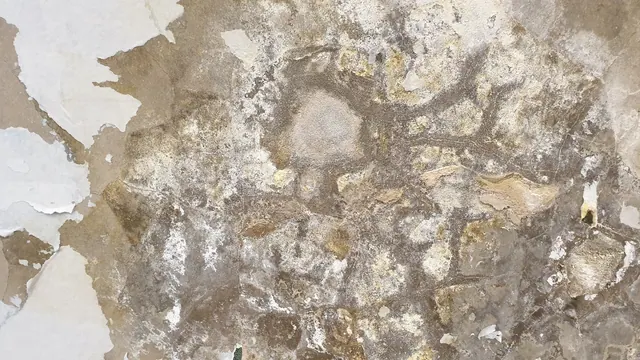
Mold follows because the materials stay wet. Drywall paper, carpet underlay and engineered wood hold moisture long after the visible leak stops. Without drying and removal, spores colonize the cavity. By the time an owner smells the musty odour, the growth is often behind the finished surface.
Finding the wet material takes more than one instrument. Thermal imaging shows cooler patches that a pin meter misses behind cabinetry, and a second visit a few days later confirms whether the cavity is actually drying.
Remediation contractors in the Lower Mainland see this pattern most in buildings from the 1970s to the 1990s. Those envelopes were not built for the rain loads we now get. Repairs that only paint over the stain fail within a season, and the call-back costs more than the original job.
WorkSafeBC duties on condo remediation sites
WorkSafeBC regulates worker health and safety on every remediation site in British Columbia. Mold work exposes crews to spores, dust and sometimes sewage-contaminated water. Employers must assess the risk, control exposure and train workers before they enter a containment zone.
Exposure routes, PPE and safe work procedures are set out in WorkSafeBC mould hazard guidance. It expects employers to treat mold as a health hazard, not a cleaning nuisance. Respirators, eye protection and gloves are the baseline, not an upgrade.
A written safe work procedure should name the containment method, the decontamination routine and the waste handling path. Crews need fit testing for respirators and a change area that keeps street clothes away from contaminated gear.
Supervisors need to enforce it, not just file it. Review the procedure with the crew at the start of each shift, because a document nobody reads protects nobody.
The framework behind these duties sits in WorkSafeBC law and policy, which covers the orders and penalties a non-compliant site can attract. Contractors who document mold remediation service standards on every shift can show the regulator what happened on site.
Strata council approval, access and owner notification
In a strata corporation, the unit owner does not control the common property. Walls, slabs and risers usually belong to the strata, so repairs that open them need strata council approval. Start that conversation before booking crews or ordering materials.
The strata may have its own trades, its own insurer and its own rules for after-hours work. Ask for written approval that names the scope, the dates and the access route. A verbal nod from one council member will not protect you when a neighbour complains.
Owner notification is a separate duty. The affected owner, and often the neighbours sharing a wall, need notice of the work, the noise and the containment. For tenancy questions, the province's Housing and tenancy resources set out the residential tenancy rules that apply when a unit is rented.
Build a simple notice package: scope, schedule, contact name and what residents should do if they see dust or smell odour. Deliver it in writing and keep a copy. If a tenant disputes access, the strata and the owner need to resolve it before the crew arrives.
Property managers pass work to contractors who communicate well and leave the building clean. That reputation is how you win more mold remediation customers across the Lower Mainland.
Documentation needed to get paid on a BC condo claim
Insurers and strata corporations pay on evidence. A BC condo claim documentation package should let a reviewer approve the invoice without calling you. Weak files are the main reason remediation invoices sit unpaid for months.
- Signed work authorization from the owner and, where required, the strata council
- Pre-remediation photos of every affected room and cavity
- Moisture readings and thermal images with dates and locations
- Written scope of work with containment method and materials list
- Daily progress notes and equipment logs
- Disposal receipts for contaminated materials
- Final clearance letter and post-remediation verification results
Match your file to the adjuster's checklist. If the policy covers the loss, the adjuster wants causation, scope and proof of completion. If the strata's insurance responds instead, the council wants the same evidence plus confirmation that common property was restored.
Invoice line items should mirror the approved scope word for word, so a reviewer can match each charge to a task they already agreed to pay for. Anything outside that scope needs a written change approval before the work starts.
Keep your own business coverage current, because a claim dispute can turn into a liability question. Review mold remediation business insurance before the busy season, not after an incident.
Notice of Project and clearance letter requirements
A Notice of Project tells WorkSafeBC about a construction project before work begins. Remediation employers file it when the project meets the criteria, and it gives the regulator a record of the site, the employer and the work. File through the Submit a Notice of Project form before crews mobilize.
The clearance letter is the other document that stops payment. It confirms the employer has paid its WorkSafeBC premiums and is in good standing. The reasons are explained in why a clearance letter is required.
Here is the sequence that keeps a Vancouver condo job compliant:
- Confirm the scope with the strata and the owner, then check whether a Notice of Project is required.
- File the Notice of Project and post the required site information.
- Set up containment, PPE and decontamination before demolition starts.
- Complete removal, cleaning and drying, then document every step with photos and readings.
- Request the clearance letter once premiums are current, and release it to the payer with the final invoice.
Missing either document can delay payment or trigger a stop-work order. Put both on your job checklist and assign one person to own them. A quality assurance checklist helps you catch gaps before the reviewer does.
Managing building-wide containment and neighbour concerns
In a high-rise, containment is a shared-space problem. Negative air machines, poly barriers and HEPA filtration keep spores out of corridors, but they also change air pressure in neighbouring units. Plan the setup with the building operator, not around them.
Seal elevator lobbies, protect common finishes and route waste through a path that avoids occupied areas. Schedule noisy work within the hours the strata allows. If a neighbour reports dust, stop and inspect rather than argue.
Log pressure readings at the containment boundary once per shift. A steady record shows that the barrier held while work was underway, and it settles most disputes about dust before they grow.
Neighbour complaints are common when water damage crosses unit lines. A calm, documented response protects the strata relationship and your reputation. A complaint handling process that logs the concern, the inspection and the fix keeps small issues from escalating.
Keep records of containment checks, air scrubber run times and moisture readings for every shift. Those records show the strata and the insurer that the work met the standard agreed at the start.
Common questions
Does every condo mold job in Vancouver need a Notice of Project? No. It depends on the project criteria WorkSafeBC sets, which include the work type and duration. Check the current rules before you mobilize, because filing late can delay the start.
Who approves remediation work on common property in a strata? The strata council approves work on common property, often with input from the strata's insurer. Get that approval in writing and keep it in the job file.
What if a tenant refuses access to the unit? The owner and strata must resolve access under BC tenancy rules. Document every attempt and do not force entry without the proper authority.
When should the clearance letter be requested? Request it once your WorkSafeBC premiums are current and the work is complete. Payers often release final payment only after they receive it.
How long does mold take to grow after a leak in a Vancouver condo? Growth can begin within days when materials stay wet, especially in humid coastal conditions. Drying and removal should start as soon as the source is controlled.